


 จองคิวบริการ
 NR tours
 Youplay
 NR shop
 NR jobs
 facebook th
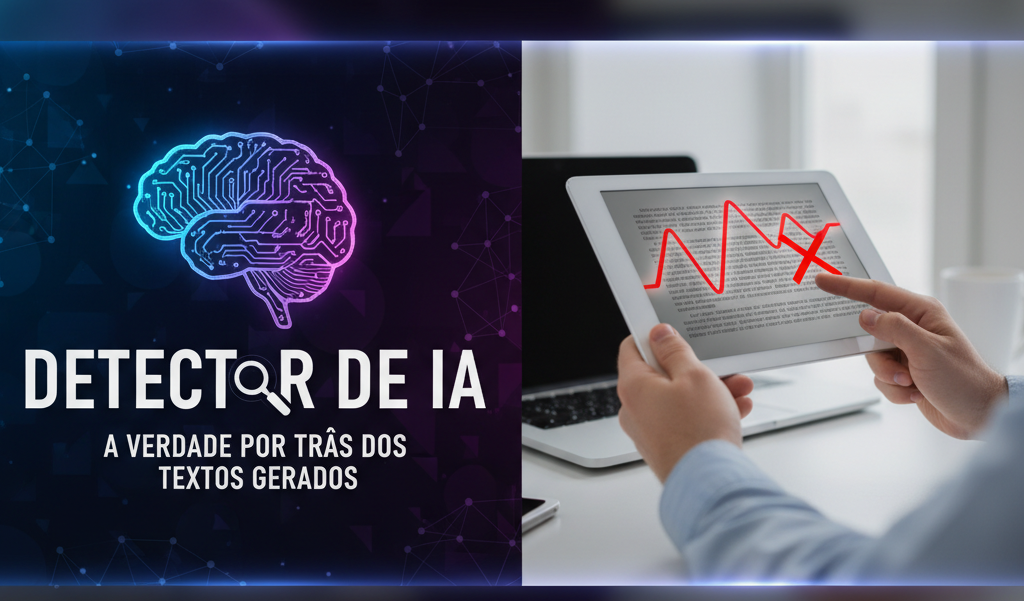
In today’s rapidly advancing technological landscape, one of the most exciting developments is the rise of artificial intelligence (AI). AI is no longer a futuristic concept, but a present reality that’s changing the way we live, work, and interact with the world. But as AI becomes more ingrained in every facet of our lives, it brings with it both incredible opportunities and new challenges. One of the most pressing concerns is the potential for AI systems to be used maliciously or irresponsibly. This is where the detector de IA comes into play.
Understanding the Need for AI Detection
Artificial intelligence has made significant strides in recent years. From self-driving cars to recommendation systems and medical diagnostics, AI is transforming industries and enhancing the capabilities of businesses and individuals. However, with these advancements come concerns about the misuse of AI, especially in areas like deepfakes, identity theft, misinformation, and privacy violations.
In response to these concerns, a new wave of technology has emerged: AI detectors, or "detector de IA" in Spanish. These tools are designed to identify and flag AI-generated content, whether it’s a fake image, text, video, or audio. The rise of AI detectors is critical because it helps us navigate the fine line between the benefits of AI and its potential dangers.
The Technology Behind AI Detectors
AI detectors use advanced algorithms and machine learning techniques to differentiate between human-generated and machine-generated content. They work by analyzing patterns, inconsistencies, and markers that are often present in AI-generated materials.
For example, in the case of text generation, AI detectors might look for subtle signs like unnatural sentence structures, unusual word choices, or inconsistencies in writing style that can be indicative of machine creation. Similarly, in images and videos, AI detectors examine visual artifacts, pixel discrepancies, and the behavior of light and shadows to identify content that may have been artificially created or altered.
Applications of AI Detection Tools
The applications of AI detectors are vast and diverse. Let’s explore a few key areas where these tools are proving to be invaluable.
1. Combating Misinformation and Fake News
In an age where misinformation spreads rapidly across social media platforms and news outlets, the ability to detect AI-generated content has become more crucial than ever. Fake news, especially that which uses deepfake technology to create false video or audio clips, can have a profound impact on public opinion and even political stability.
AI detectors help to combat this issue by identifying content that may have been manipulated or entirely fabricated. For instance, these tools can spot deepfake videos of politicians or public figures making statements they never actually said. By catching these deepfakes early, AI detectors can prevent the spread of false information and reduce the risk of social unrest.
2. Protecting Intellectual Property and Privacy
As AI becomes more capable of creating content, it also raises concerns about copyright infringement and the unauthorized use of personal data. Imagine a scenario where an AI generates a piece of artwork that closely resembles a famous artist's style. While this may seem like a harmless act of creativity, it could violate the artist’s intellectual property rights.
AI detectors can help identify such instances of content replication and flag them for further review. This can protect creators from having their work stolen or misused by AI systems. Additionally, AI detectors can be used to safeguard privacy by identifying when personal data, such as faces or voices, have been manipulated or used without consent.
3. Ensuring Authenticity in the Digital Economy
As businesses and individuals continue to rely on digital platforms for transactions and interactions, ensuring the authenticity of digital content becomes increasingly important. In online shopping, for example, customers often rely on product reviews to make purchasing decisions. But what happens if an AI system is used to generate fake reviews to artificially inflate the reputation of a product?
AI detectors can help identify such fraudulent reviews and ensure that consumers have access to truthful and reliable information. In the financial sector, these tools can also be used to detect AI-generated fake documents or reports that could be used for fraud or illegal activities.
4. Education and Academic Integrity
AI-generated essays and research papers are becoming a growing concern in academic institutions. Students and researchers may use AI tools to create written content, making it difficult for educators to discern whether the work is their own or generated by a machine.
AI detectors can be employed in educational settings to detect instances of AI-generated content in student submissions. By identifying these instances, schools and universities can maintain academic integrity and ensure that students are learning and producing original work.
The Future of AI Detectors
As AI continues to evolve, so too will the capabilities of AI detectors. Researchers are constantly working to improve the accuracy and efficiency of these tools, making them more capable of identifying even the most sophisticated forms of AI-generated content.
In the future, we can expect to see AI detectors becoming even more integrated into our everyday lives. For example, they could be embedded in social media platforms to automatically flag and remove fake content. Similarly, AI detectors could be built into online communication tools, alerting users when they are interacting with an AI rather than a human.
One of the exciting prospects is the possibility of AI detectors being used in combination with AI systems themselves. For example, a system could be designed to detect AI-generated content and then use another AI model to verify its authenticity, creating a two-tiered approach to content validation.
Ethical Considerations and Challenges
While AI detectors offer numerous benefits, there are also ethical concerns to consider. For example, how accurate are these tools, and how can we ensure they are not used to suppress free speech or stifle creativity? AI detection tools need to be carefully designed to avoid false positives and ensure that human-generated content isn’t unfairly flagged as AI-generated.
Moreover, as the technology behind AI detection evolves, so too will the methods used by AI systems to generate content. This creates an ongoing arms race between those creating AI-generated content and those developing tools to detect it. As AI systems become more sophisticated, AI detectors will need to keep up, making the challenge of staying ahead of malicious actors a constant struggle.
Conclusion
The rise of the AI detector is a reflection of the increasing need to safeguard the digital world from the potential harms of AI. From combating misinformation and protecting privacy to maintaining academic integrity and ensuring authenticity, AI detectors are becoming essential tools in our increasingly AI-driven world. As the technology behind these tools continues to evolve, they will play an even more crucial role in ensuring that AI serves humanity in a responsible and ethical manner.
With these developments, it’s clear that the future of AI isn’t just about the technology itself, but also about how we choose to use and regulate it. AI detectors are helping to ensure that the benefits of AI can be enjoyed without falling victim to its potential dangers. As we move forward, these tools will be vital in maintaining trust, transparency, and integrity in an ever-changing digital landscape.


 Thailand
 English
 Arabic
 French
 Spanish
 Portuguese
 Deutsch
 Turkish
 Dutch
Dutch
 Italiano
 Russian
 Portuguese (Brazil)
 Greek
Greek