


 จองคิวบริการ
 NR tours
 Youplay
 NR shop
 NR jobs
 facebook th
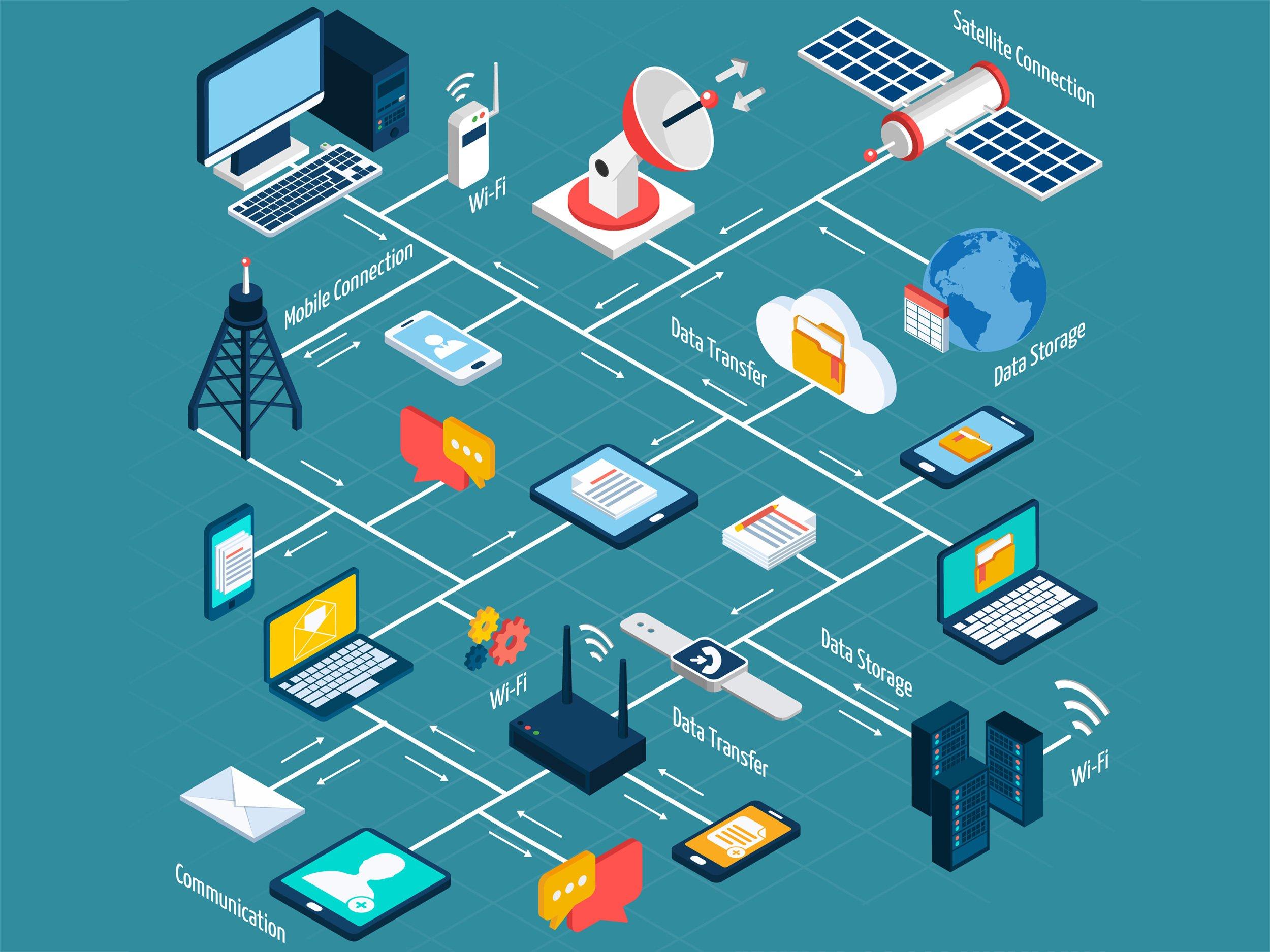
The Wireless Data Communication Market Segmentation provides structured understanding of market composition and opportunity distribution across defined categories. The Wireless Data Communication Market size is projected to grow USD 7.272 Billion by 2035, exhibiting a CAGR of 14.56% during the forecast period 2025-2035. Component-based segmentation differentiates between hardware, software, and services constituting complete wireless solutions comprehensively. Technology segmentation distinguishes between various wireless communication standards and protocols serving different requirements appropriately. Application segmentation identifies specific use cases driving wireless communication adoption across industries and consumer markets. End-user segmentation maps wireless communication demand across organizational categories with varying priorities and needs fundamentally. Understanding segmentation enables targeted strategies addressing specific market opportunities effectively and appropriately for success.
Component segmentation reveals hardware commanding substantial market share including infrastructure equipment and devices fundamentally. Infrastructure hardware includes base stations, access points, antennas, and network equipment enabling wireless communication services. Device hardware encompasses wireless modules, chipsets, and integrated components within connected products and equipment appropriately. Software components include network management, security, and optimization applications supporting wireless operations effectively. Professional services encompass planning, implementation, integration, and consulting supporting customer deployments appropriately and comprehensively. Managed services provide ongoing network operation and optimization for organizations seeking external expertise continuously. The component mix varies by deployment type with infrastructure projects requiring substantial hardware investment initially.
Technology segmentation identifies various wireless communication standards serving different application requirements and use cases. Cellular technologies including 4G LTE and 5G enable wide-area wireless communication for mobile devices and IoT applications. Wi-Fi standards provide local area wireless connectivity serving enterprises, residences, and public venues extensively. Bluetooth and short-range technologies support device connectivity and proximity-based applications across consumer and enterprise uses. Low-power wide-area networks including LoRaWAN and NB-IoT serve Internet of Things deployments requiring extended range efficiently. Satellite communication addresses connectivity requirements in remote locations beyond terrestrial network coverage areas effectively. Each technology category serves specific use cases with differentiated characteristics influencing selection decisions appropriately.
End-user segmentation reveals distinct requirements across organizational and consumer categories utilizing wireless communication extensively. Telecommunications operators represent the largest segment investing in network infrastructure serving consumer and enterprise customers broadly. Enterprise organizations deploy wireless infrastructure for internal connectivity and operational applications across industries comprehensively. Government and defense sectors require specialized wireless communication meeting security and reliability requirements appropriately. Healthcare organizations utilize wireless connectivity for patient care, clinical operations, and medical device communication extensively. Manufacturing and industrial organizations deploy wireless for automation, monitoring, and operational technology applications effectively. Consumer applications drive wireless infrastructure investment supporting personal devices and connected home environments substantially.
Top Trending Reports -


 English
 Arabic
 French
 Spanish
 Portuguese
 Deutsch
 Turkish
 Dutch
Dutch
 Italiano
 Russian
 Romaian
 Portuguese (Brazil)
 Greek
Greek